
January 2026 Newsletter

Throughout the 2026 legislative session, Commit to Keiki will be closely tracking priority bills that advance our three core priority areas: child care and early learning, family violence prevention, and early childhood mental health. The measures listed below reflect key policy opportunities to strengthen Hawaiʻi’s early childhood system and better support our youngest keiki and their families.
As the session progresses, we will share updates on these bills, highlight opportunities for engagement, and outline ways partners can support this work.
Commit to Keiki’s Living808 Series to Conclude with Focus on Hawai’i’s Early Childhood Workforce
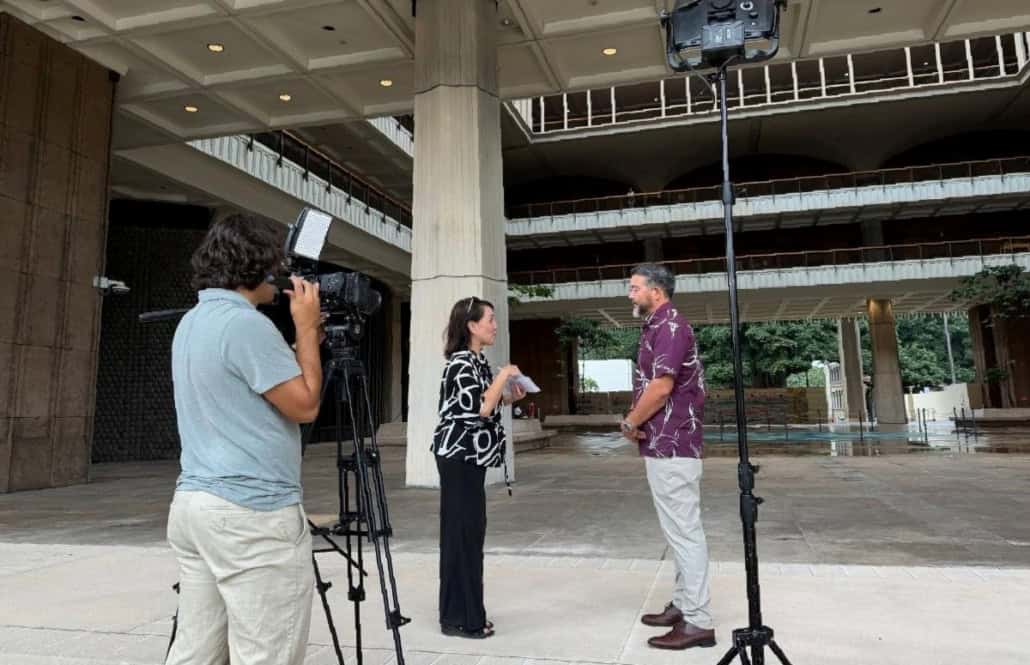
As Commit to Keiki wraps up our six-episode Living808 series that began in 2025, we invite you to tune in for the final two segments airing February 9 and 10. This series has focused on the systems that support Hawai‘i’s youngest keiki and their families, and these last episodes bring the conversation to a critical point.
The February 9 segment will take a closer look at Hawai‘i’s early childhood workforce crisis and its ripple effects across families, providers, and the broader economy. Child care and business leaders share how ongoing staffing shortages limit access to care, strain working families, and affect employers statewide. The discussion highlights why a stable early childhood workforce is essential for our youngest keiki and for Hawai‘i’s economic health.
On February 10, the series will conclude with a solutions focused conversation centered on a key Commit to Keiki policy priority: establishing an Early Learning Apprenticeship Program. This segment explores how paid, structured apprenticeship pathways can help recruit, train, and retain early childhood educators, strengthen programs serving infants and toddlers, and expand access to high quality early learning across the state.

Honolulu Star-Advertiser, Jan. 2, 2026
Editorial: ‘Lesser’ laws still have a big impact
Civil Beat, Jan. 14, 2026
Hawai’i preschool aid might not kick in this school year after all
Hawaii Public Radio, Jan. 16, 20256
State early education program faces high interest in pre-K with limited space
New Employer Child Care Tax Credits: Support for Keiki, Families, and Hawai’i’s Workforce
The City and County of Honolulu and the Chamber of Commerce Hawai’i announced a new partnership to help employers access recently expanded federal child care and paid family leave tax credits beginning in January 2026. These incentives are designed to support working families while strengthening Hawai’i’s workforce and economy.
The partnership follows recent analyses that underscore the economic and family impacts of child care access. The Chamber’s Child Care Economic Impact Report estimates that child care disruptions cost Hawai’i $1.1 billion each year, including $787 million in direct losses to businesses. At the City level, Honolulu’s 2025-2028 Child Care Action Plan identifies access to quality child care as essential to reducing financial strain on working families and helping families remain in Hawai’i.
For young keiki and their families, this effort addresses a critical reality: without access to affordable, reliable child care, parents are forced to reduce work hours or leave the workforce entirely. This instability increases financial stress for families and limits early learning opportunities during a child’s most formative years.
By helping employers better utilize tools such as the Employer-Provided Child Care Tax Credit and the Paid Family and Medical Leave Credit, this initiative can reduce barriers to employment, improve retention, and ease the child care burden facing many families across Oʻahu. These strategies align with local and state priorities to keep families in Hawaiʻi and stabilize essential services.
Policies that reduce economic stressors on families are foundational to supporting early childhood development. While tax incentives alone will not solve Hawaiʻi’s child care crisis, they represent an important step forward for shared solutions that benefit keiki, working families, and the broader community. We applaud the City and the Chamber for advancing solutions that support keiki and working families.